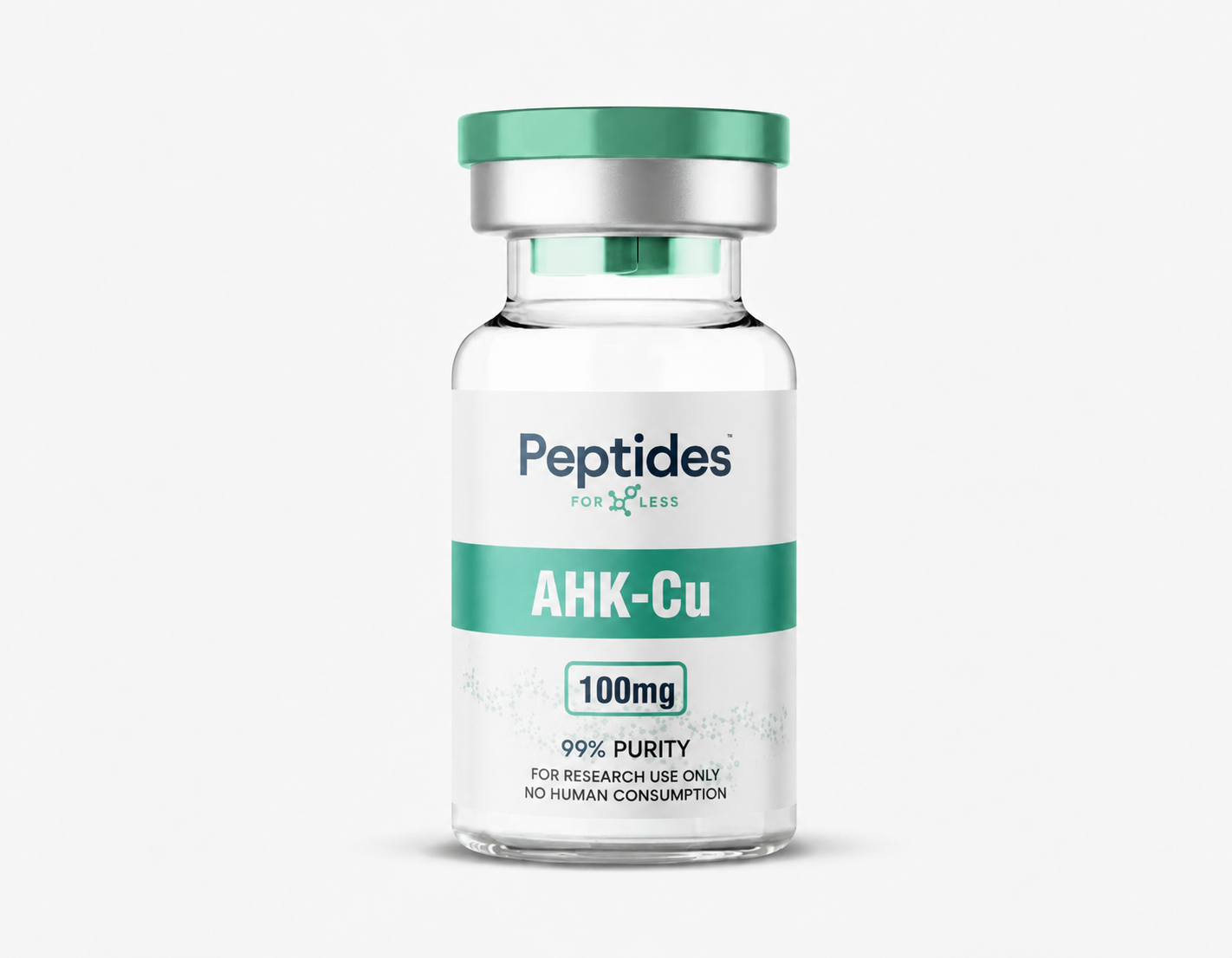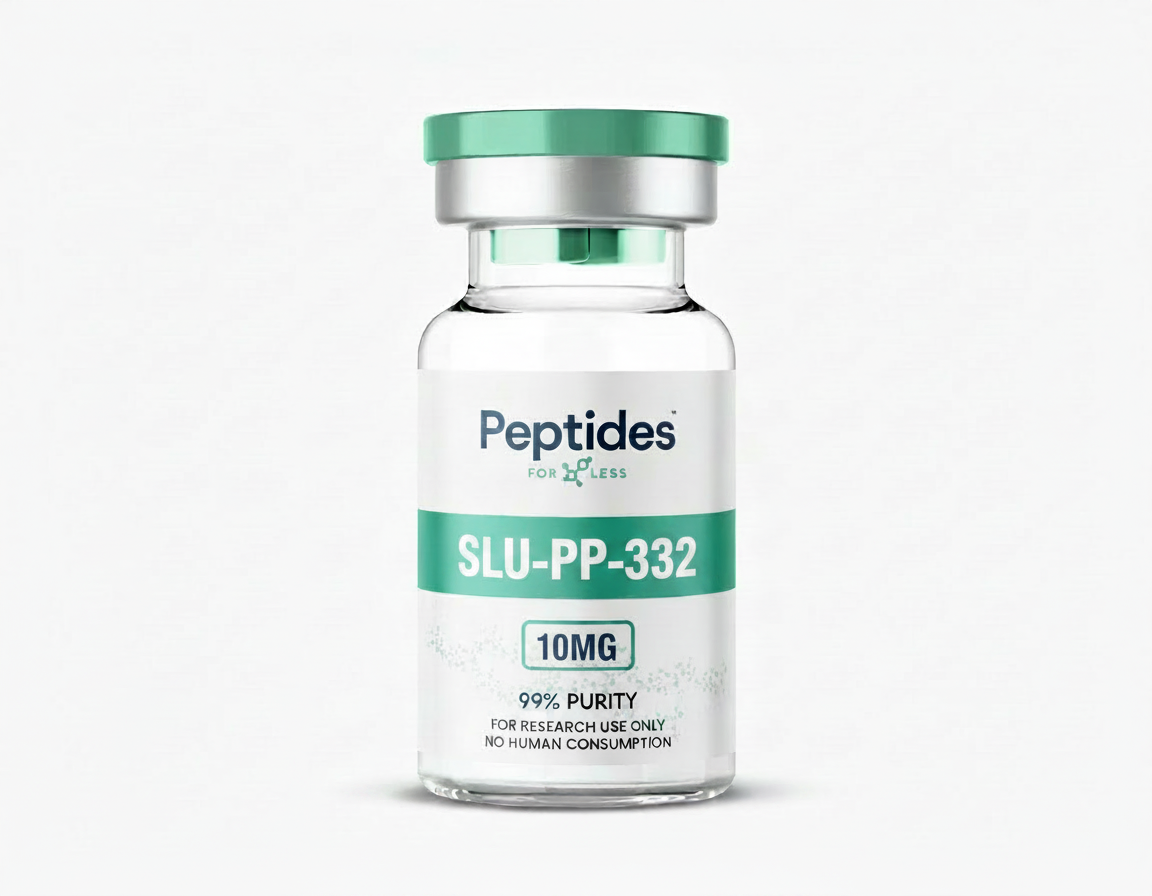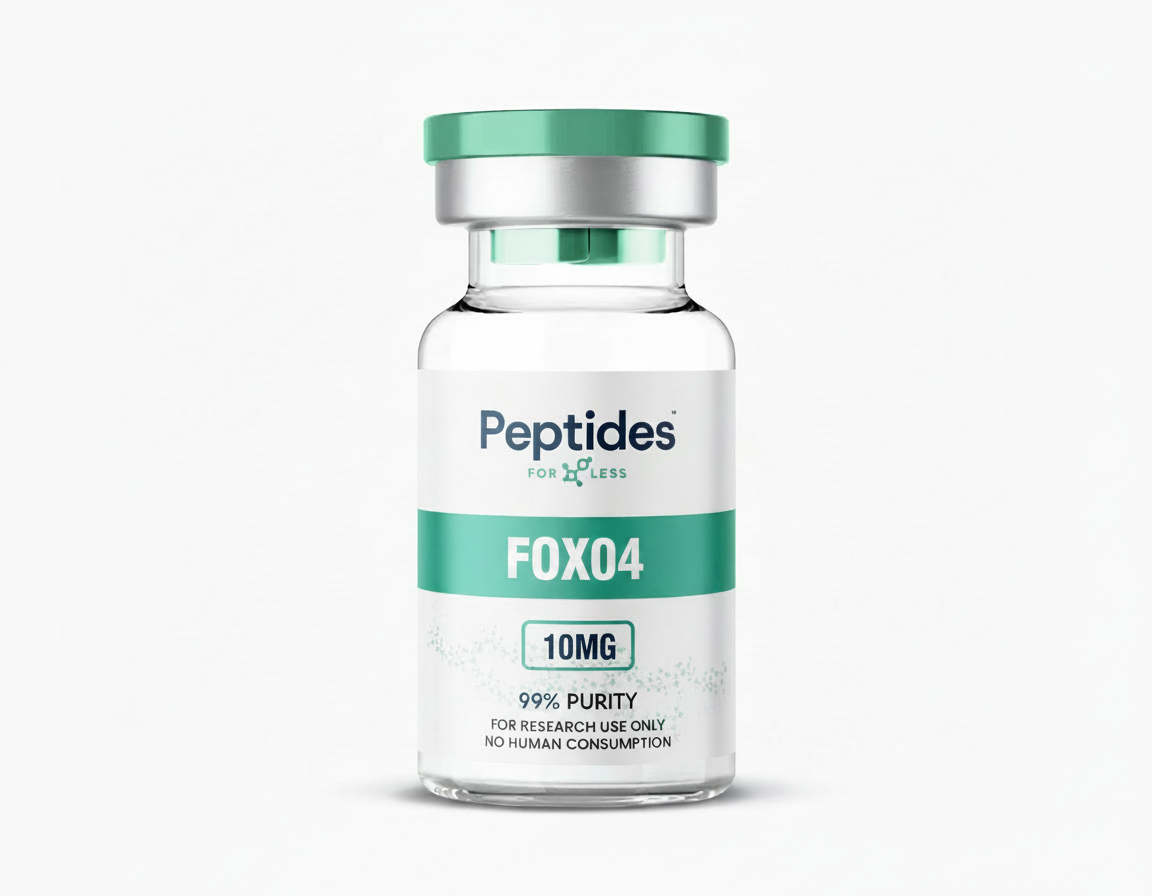

When sourcing peptides for laboratory research, purity, documentation, and traceability are critical considerations. Researchers need confidence that the material they are working with is properly identified and supported by appropriate analytical documentation.
One of the most important documents used to evaluate a research peptide is the Certificate of Analysis, commonly known as a COA.
What Is a Certificate of Analysis?
A Certificate of Analysis is a document that provides information about a specific batch or lot of a product. For research peptides, a COA may include details such as:
- Product or peptide name
- Batch or lot number
- Reported purity percentage
- Testing date
- Analytical testing method
- Laboratory information
- Supporting chromatograms or analytical results
The purpose of a COA is to provide researchers with additional information about the identity and quality characteristics of the material being supplied.
Why Does Peptide Purity Matter?
Purity refers to the proportion of the intended peptide present in a tested sample compared with other detectable compounds.
For laboratory research, consistency is important. Materials with poorly documented purity or inconsistent composition can introduce unwanted variables into an experiment.
High-quality research materials should therefore be accompanied by clear documentation whenever possible.
For example, when a supplier reports a peptide as having 99% purity, researchers should look for analytical documentation supporting that claim rather than relying only on product-page marketing.
Common Peptide Testing Methods
Different analytical techniques may be used to evaluate research peptides.
HPLC
High-Performance Liquid Chromatography (HPLC) is commonly used to separate components within a sample. The resulting chromatogram can help determine the relative purity of the tested material.
Researchers reviewing an HPLC report should look for clearly documented results associated with the same batch or lot number as the product.
Mass Spectrometry
Mass spectrometry (MS) can be used to evaluate the molecular mass of a compound and help confirm its identity.
HPLC and mass spectrometry provide different types of information, which is why they may be used together as part of analytical testing.
Why Lot Numbers Are Important
Peptides are typically produced and tested in batches. Because of this, a COA should ideally correspond to the specific lot number of the product being supplied.
A generic laboratory report that cannot be connected to a particular batch provides less useful traceability.
Before purchasing research peptides, researchers may want to verify that:
- The product has an identifiable lot or batch number.
- The COA references the corresponding lot.
- The testing information is clearly displayed.
- The analytical results are legible and accessible.
- The supplier maintains records for previous or current batches when appropriate.
What Makes a Useful Peptide COA?
A useful COA should be easy to understand and should contain enough information to connect the laboratory analysis with the actual research material.
Look for documentation containing:
Product identification: The peptide listed on the COA should match the material being purchased.
Lot identification: A batch or lot number helps establish traceability.
Purity results: The reported purity should be clearly stated.
Testing methodology: The analytical technique used should be identified.
Testing date: Recent batch-specific documentation can help researchers evaluate the material they are purchasing.
Supporting analytical data: Chromatograms or other analytical results can provide additional context beyond a simple purity percentage.
Why Transparency Matters When Choosing a Peptide Supplier
A research peptide supplier should make important product information readily available.
Researchers should be able to understand what they are purchasing, locate relevant documentation, and identify the batch associated with their material.
Useful supplier practices can include:
- Batch-specific COAs
- Clearly identified peptide concentrations or quantities
- Lot tracking
- Accessible research documentation
- Consistent product labeling
- Appropriate storage and handling information
- Clear research-use disclaimers
Transparency does not replace independent scientific evaluation, but it provides researchers with more information when selecting materials for laboratory work.
Final Thoughts
Choosing research peptides should involve more than comparing product names and prices. Purity documentation, batch traceability, analytical testing, and supplier transparency all contribute to making informed sourcing decisions.
Before selecting a peptide for laboratory research, review the available COA and make sure the documentation corresponds to the product and lot being supplied.
Careful sourcing helps researchers reduce unnecessary variables and maintain better documentation throughout their research process.
Research Use Disclaimer: Products discussed on this website are intended strictly for laboratory, analytical, and research purposes only. They are not intended for human consumption, medical use, diagnosis, treatment, prevention of disease, or veterinary use.